How to Fix a Leaking Shower Head
A shower that drips after the taps close usually has nothing to do with the head itself. Working out how to fix a leaking shower head starts with telling two things apart: water draining out of the fitting, and water creeping past a tired seal inside the wall mixer.
If we're late, $100 comes off your bill

- Licensed and InsuredEvery job done by a licensed plumber. QBCC No: 15024607
- Fixed Quote FirstFlat-rate pricing, agreed before any work starts
- Lifetime Labour WarrantyBacked by our Fix-It-or-It's-Free guarantee (T&Cs apply)
- $0 Call-Out FeesNo extra charge for nights, weekends or public holidays

Our Gaythorne team separates those two every week in this suburb's unit blocks, where one bathroom's drip often becomes the next flat's problem. Every job is done by a licensed plumber, and the fix is usually smaller than people fear.

Is a Dripping Shower Head Normal
A brief dribble after you switch the shower off is normal; drips that go on for minutes once the water is shut are not. Water left in the fitting and its arm drains briefly after use, then stops on its own.
Drips that keep going after everything is closed point to the mixer, not the head. Its washer or cartridge has worn thin, and water slips past the sealing face.
In the strata bathrooms that fill this suburb, the mixer often hides behind tiles in a shared wall. That makes the source harder to see, not harder to find, because the pattern of the drip gives it away.
Where a Dripping Shower Head Comes From
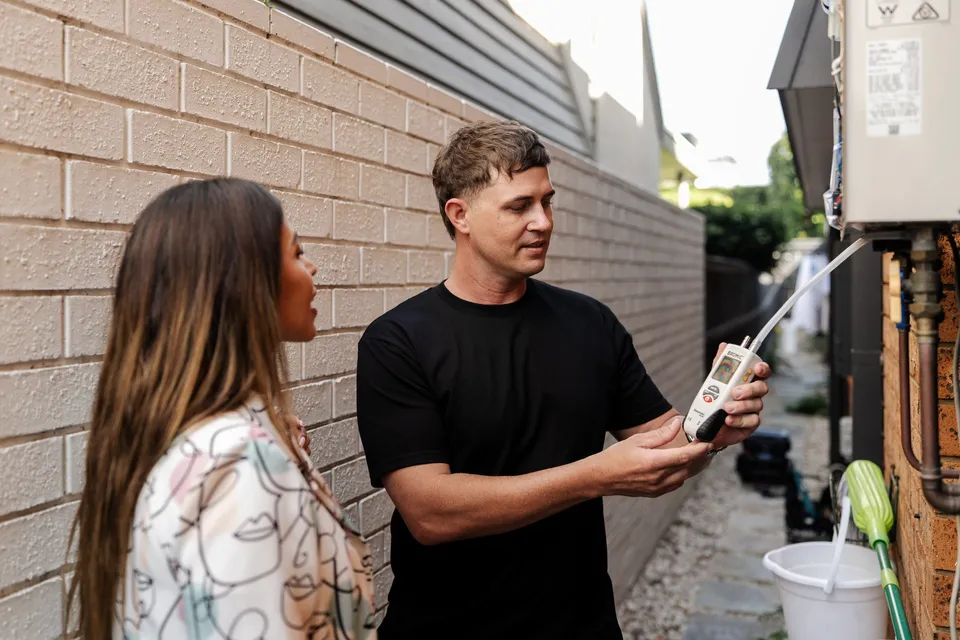
Three spots produce a dripping shower: the join where the head screws onto the arm, the mixer hidden in the wall, and the diverter on a bath-and-shower combination. Each one signs its name differently.
The join at the arm
water seeping there while the shower runs points to a fitting that has slackened or a seal that has perished. The leak stops when the shower stops.
The wall mixer
water still escaping after shut-off means the fault is behind the tiles, in the mixer's washer or cartridge.
The bath diverter
water reaching the head when the bath tap runs, or leaving the spout during a shower, blames the diverter or a spout that is partly blocked.
Scale in the spray holes
mineral crust can plug the spray openings and push water out through other gaps, which looks like a strange leak from the fitting.
The mixer is the one worth taking seriously. In a block where bathrooms share walls, a slow drip behind tiles can show up on the neighbour's side long before anyone notices it at the shower.
What Counts as Unregulated Plumbing Work
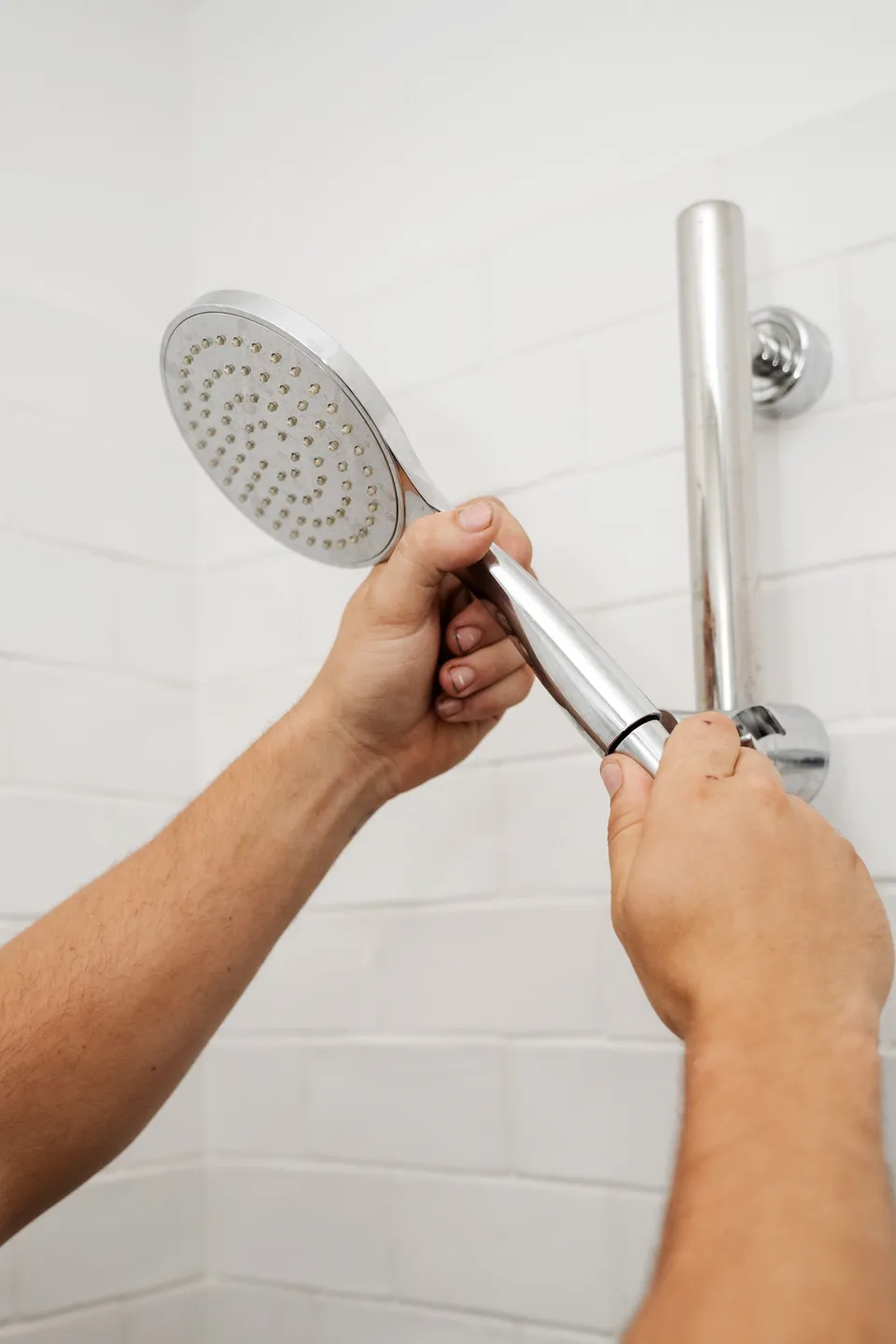
Yes, the QBCC leaves a shower head swap outside regulated plumbing work: anyone with the appropriate knowledge and level of skill may do it. No plumbing licence applies, and neither the QBCC nor the local council has to approve it. No report is owed either.
Whatever the result, it still has to satisfy the minimum standards set by Queensland law and the plumbing codes. The freedom covers the head only: parts inside the mixer are licensed work.
The townhouse rows alone counted 242 homes at the last census, and whole developments here went in with a single mixer model repeated down every bathroom. A failing cartridge in one of them can echo through dozens of showers.
One check before any head swap: the Water Efficiency Labelling and Standards (WELS) scheme covers every shower head on the Australian market. The star rating and flow details have to appear wherever the product is listed or advertised, online included.
Still Dripping After a Repair Attempt
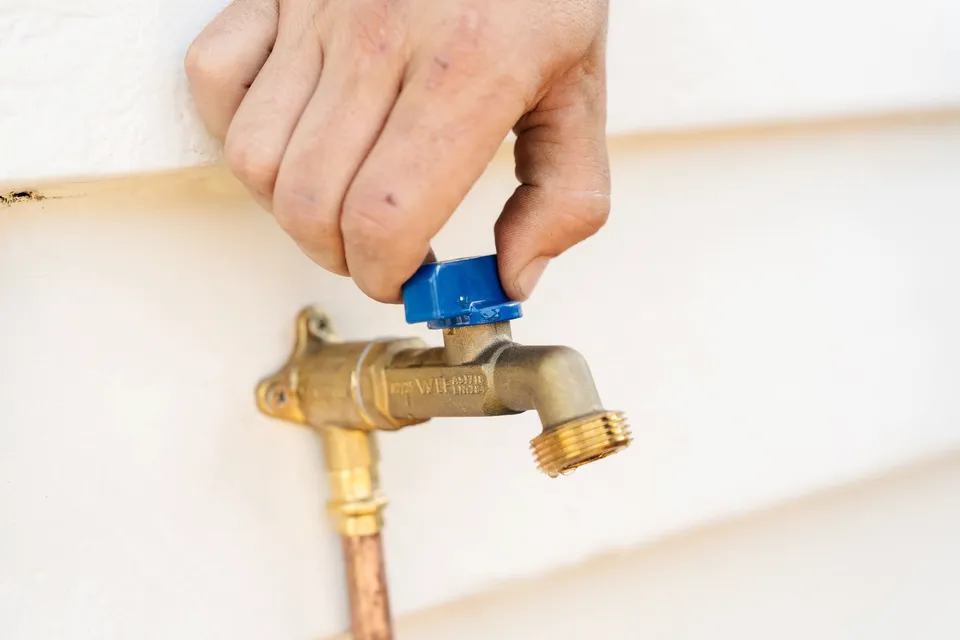
When fresh internal parts fail to stop the drip, the blame shifts to the surfaces those parts seal against. A washer shuts onto a machined seat, and a cartridge seals within the mixer's body, so a scored or worn surface defeats any new part.
That diagnosis is a licensed plumber's job. Repairs inside the mixer count as minor work, so a QBCC licensee has to carry them out, without a permit.
Swapping parts on a guess is how a small drip becomes an opened wall. The plumber checks the seat and the mixer body first, then quotes on what the job actually needs.
When to Call a Plumber About It
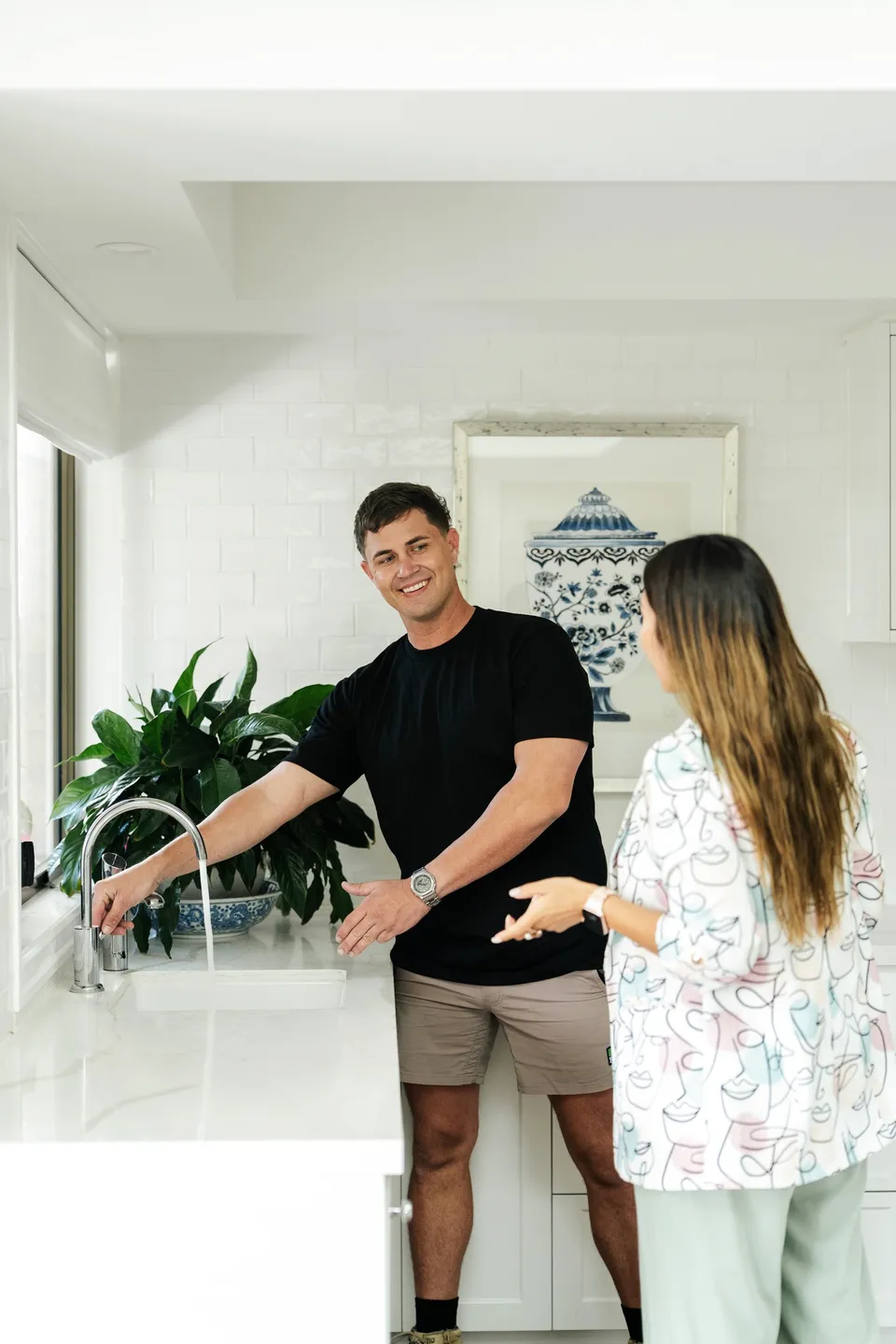
Ring a plumber when the drip continues with the taps closed, when a diverter sends water the wrong way, or when the mixer sits behind tiles you cannot open. The shower repair guide steps through the parts past the head, from the in-wall mixer to the bath diverter.
Renters should flag a dripping shower to their agent promptly, because Queensland tenancy law requires the premises to stay in good repair for the entire tenancy. In a suburb where most homes rent at the last census, these repairs often get ordered between tenancies, and a documented report protects everyone.
Shower Head Questions Answered
Call (07) 3523 7172Why does my shower head drip after I turn it off?
A short burst of drips after use is just leftover water emptying from the fitting, and it stops by itself. Water that keeps escaping once everything is off points to the wall mixer, where a perished washer or a failed cartridge lets water slip past.
Am I allowed to swap a shower head myself in Gaythorne?
Yes. Queensland's QBCC lists a shower head swap as work that needs no licence, approval or report. The result still has to reach the minimum standards that apply in Queensland.
Who can legally replace a shower cartridge in Queensland?
A licensed plumber. Work on a fitting or fixture inside the mixer is minor work, so it needs a QBCC licence holder, though no permit applies. The QBCC's unregulated list stops at the head, so the mixer and its cartridge stay on the licensed side.
What should I check before buying a new shower head in Gaythorne?
Look for the WELS label. Any shower head on the Australian market is registered under that scheme, and its star rating and water-use figures appear wherever it is listed for sale, online included.

Ring Us About the DripWe'll call you back.
Book on (07) 3523 7172 for plumbing anywhere in Gaythorne. We're available 24/7, there's no extra charge for nights, weekends or public holidays, and every job comes with $0 call-out fees.
To claim your $0 call-out fee, call (07) 3523 7172 today.