Gas Leak Repairs in Gaythorne
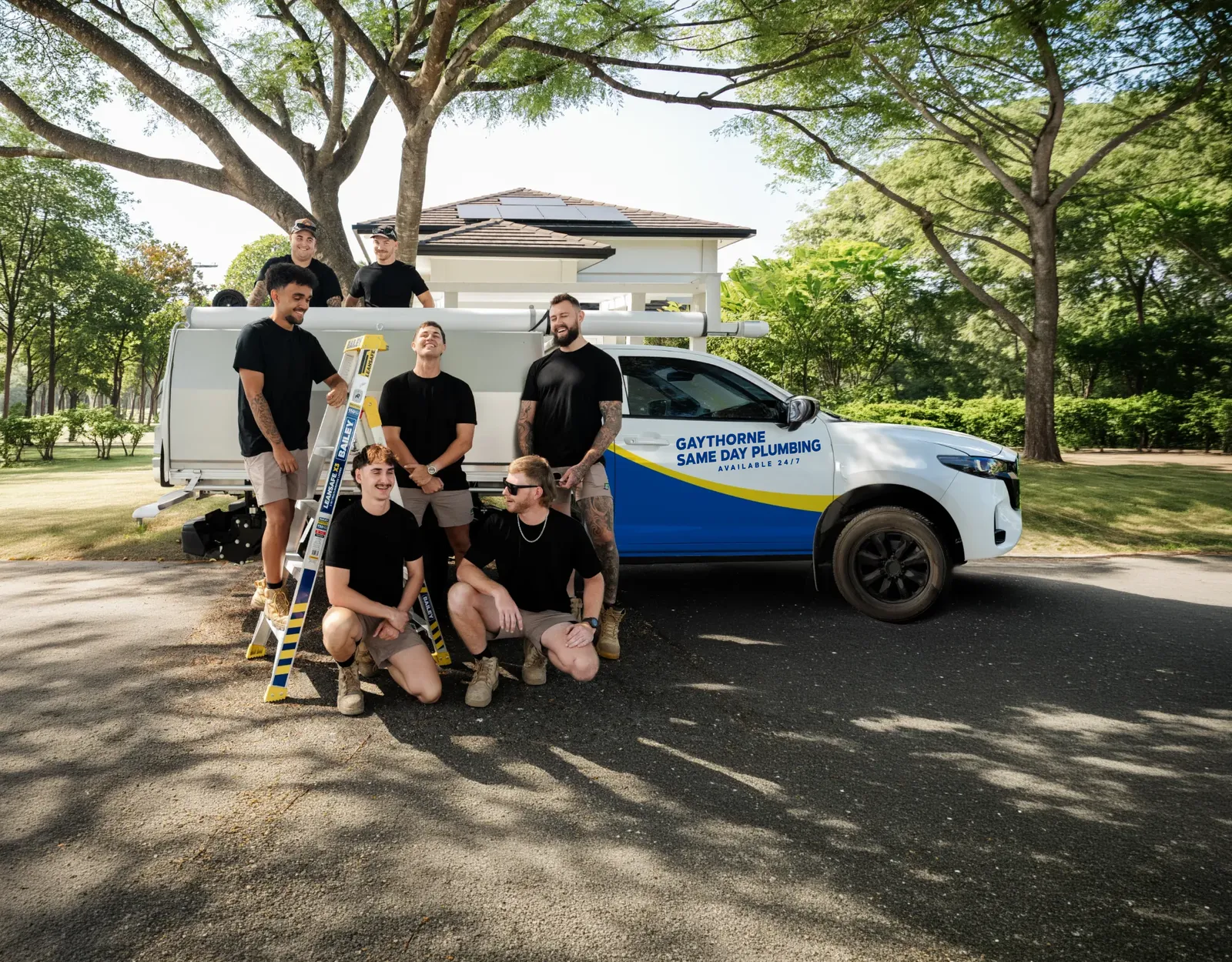
Any gas leak repair in Gaythorne is work for a licensed gasfitter alone, and it starts once the danger is under control. Under Queensland law, fixing a gas system counts as gas work, and so does testing one. Our team does that work across Gaythorne and the streets nearby, and every job is done by a licensed plumber holding the gasfitting registration the task requires.
If we're late, $100 comes off your bill

- Licensed and InsuredEvery job done by a licensed plumber. QBCC No: 15024607
- Fixed Quote FirstFlat-rate pricing, agreed before any work starts
- Lifetime Labour WarrantyBacked by our Fix-It-or-It's-Free guarantee (T&Cs apply)
- $0 Call-Out FeesNo extra charge for nights, weekends or public holidays
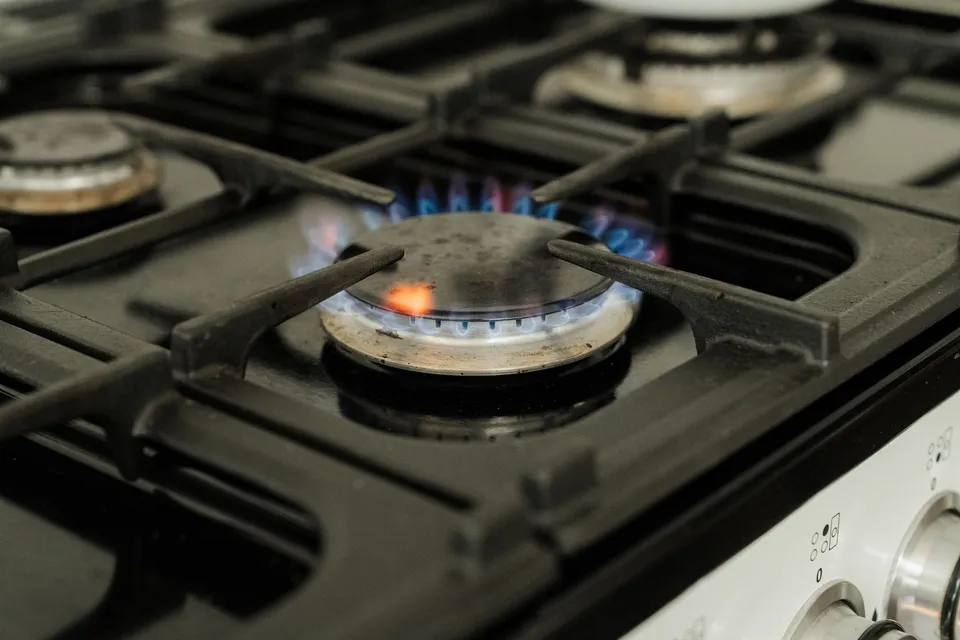
Smelling gas indoors means acting now: no flames, no switching anything electrical on or off, turn the appliance off and open doors and windows. Still smelling it after that? Shut the supply at the meter or cylinder and ring your gas supplier, or 000 if it persists.
Once the danger is dealt with, the trace and the fix are ours.
Testing a Gas System for Leaks
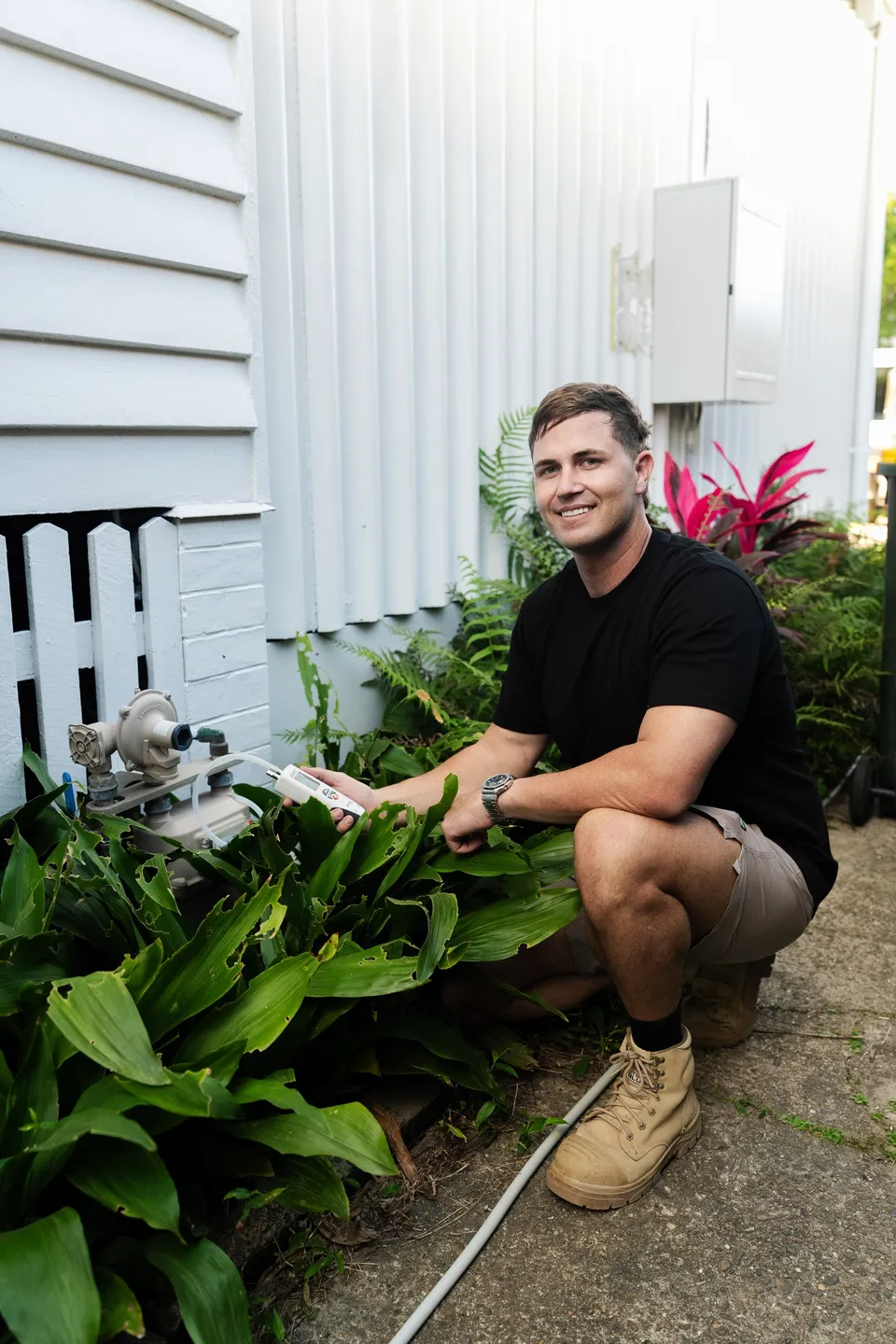
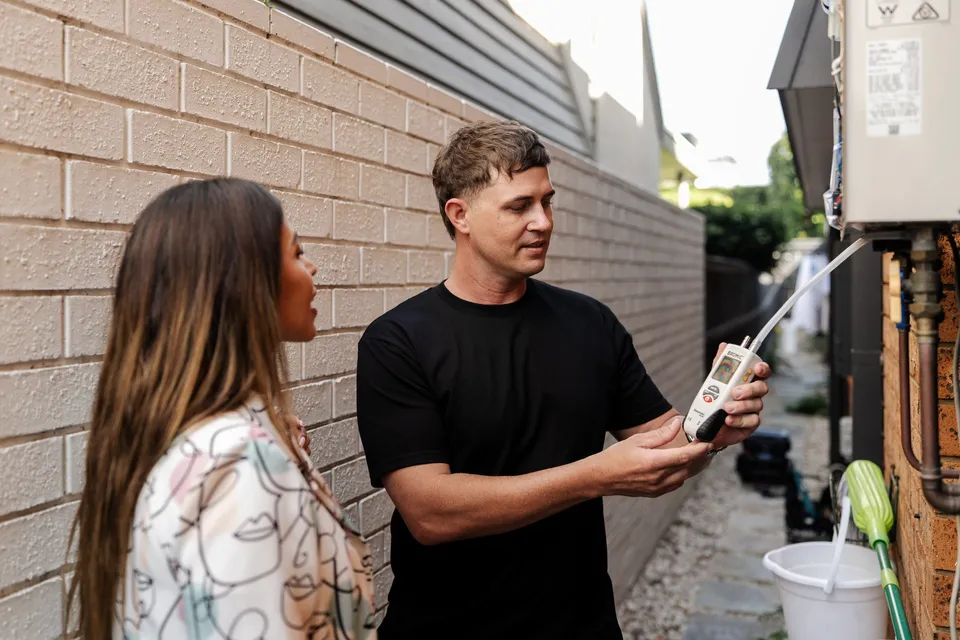
The gasfitter closes off the supply, isolates one stretch of pipework at a time and pressure-tests each stretch to find the one that drops. A detergent solution on the fittings then shows bubbles at the exact escape point. That order matters, because it narrows the search before anything gets opened up.
Testing comes after the repair too, so the system proves itself before the gas goes back on. Queensland's gas safety guidance gives householders one check of their own. With the gas turned on, lightly spray a detergent and water mix over the fittings and connections, and watch for bubbling.
Bubbles mean a leak, so turn the supply off and the job goes to a licensed gasfitter.
Fittings, Hoses and Joints That Let Gas Escape
Working from the supply end inward, leaks typically start at the fittings where the supply arrives, whether the meter or the bottle. From there the suspects run through the regulator with its hose, the joints in the pipe run, and the final link to the appliance. Each one fails differently.
Supply-end fittings
threads and seals at the meter or bottle cop the weather and the years.
Regulator and hose
rubber perishes with age, and regulators can fail internally.
Pipe joints
older ones, or ones disturbed by other trades, can weep slowly.
Appliance link
the last flexible connection gets handled most and wears fastest.
A proper safety check also looks for rust, wear or damage across the whole system and every appliance on it. Where the gas collects depends on the type: natural gas is buoyant, so a leak tends to rise and thin out in open air. LPG is heavier, so it can pool in low-lying spots and drains.
Replace a Fitting, a Section or the Run
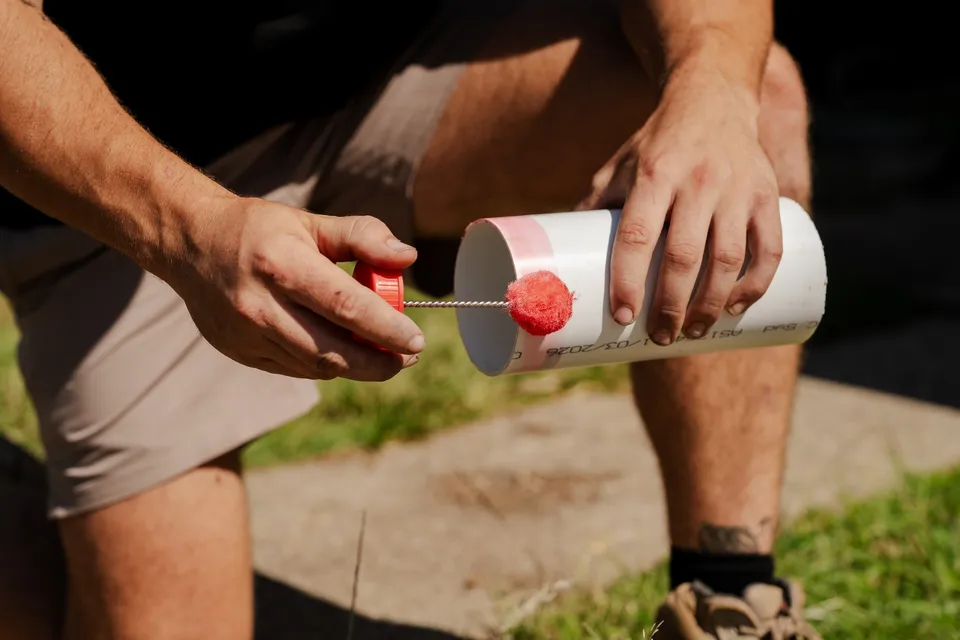
A licensed gasfitter carries out the repair, and the fix scales with the fault. The three options are swapping a failed fitting or regulator, replacing a stretch of pipe that is easy to reach, or routing new pipe past a run that cannot be reached. A single swap sits at the small end; routing around a buried or built-over run sits at the big end.
The choice turns on three things:
What failed
a perished hose is a quick change; a corroded joint inside a wall is not.
Access
pipe behind cabinetry or under a floor takes longer to reach than pipe in open air.
Condition of the rest
if neighbouring joints look tired, replacing the stretch beats patching one spot.
Whatever the scale, the system gets retested before gas flows again, and the repair is built to last rather than to hold until next month.
Paperwork After a Gas Leak Repair
Depending on what the visit finds, paperwork can follow. The owner receives a defect notice when the gasfitter has a safety concern that is not put right during the visit; fixing it on the spot means no notice is needed. When a job adds to or changes the gas system, a compliance certificate certifies the finished work as compliant.
Where the risk is serious, the gasfitter secures the system first and then calls the network operator and Queensland's gas inspectorate. The gas compliance certificates page explains what a certificate covers and when you should hold one.
Old Cottages and New Units Side by Side
Housing here runs from pre-1947 cottages to the unit blocks near the station, so gas pipework ranges from decades old to nearly new. The older cottages around Nambour Street and Gaythorne Road can carry fittings old enough for corrosion to be the standing risk. Newer flats tend to fail at the flexible connections and the regulator rather than the pipe itself.
Either way the method does not change. The gasfitter traces the leak from the supply inward, and the repair matches the era of what is on the wall. Our gas fitting services cover the full range of gas work, and new appliances go to the gas cooktop installation page.
How We Handle a Gas Leak Call
- 1

Describe the problem
Phone (07) 3523 7172 or fill in the form with what you're seeing in Gaythorne. The more we know, the better we can prepare.
- 2

We trace and quote
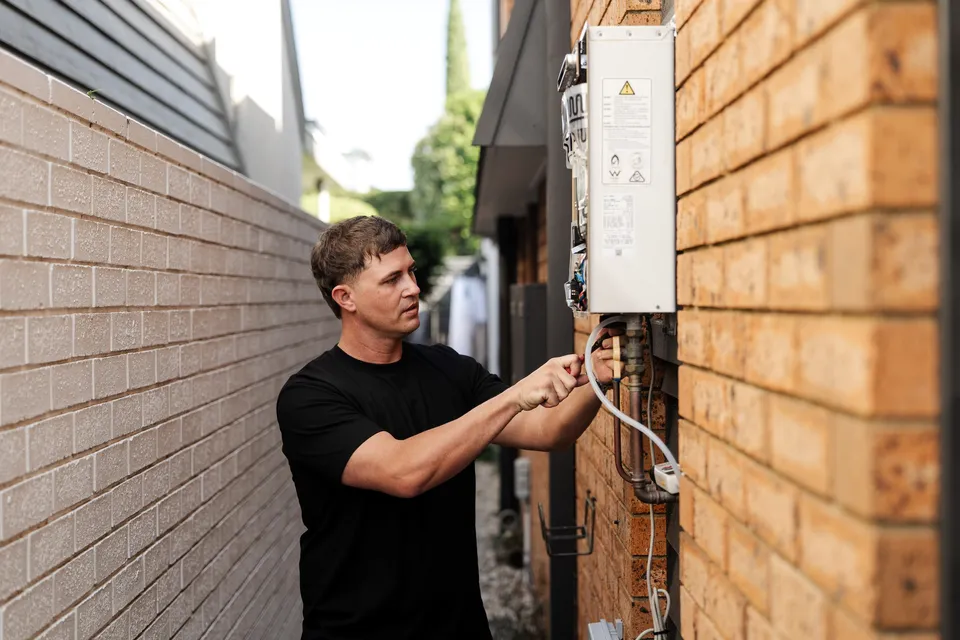
We come to you, close the supply and test the pipework stretch by stretch until the leak is pinned to a single point, then talk through the fix that point allows.
- 3
Agree on the price
A fixed quote comes before any work starts: flat-rate pricing, no hidden fees, and your go-ahead first.
- 4

Pay on completion
Card or EFTPOS on site when everything's working, or ask us about Fix now, pay later.
Plumbing job in Gaythorne?
$0 call-out fees, available 24/7, and same-day where we can.
Gas Leak Questions Gaythorne Locals Ask
Call (07) 3523 7172Is it safe to stay inside with a gas leak?
No, it is not. Get everyone outside, leave flames and electrical switches alone, and ring from outdoors rather than in. If the smell hangs around once the supply is shut off, call 000.
How long does a gas leak repair take in Gaythorne?
No set time applies. The drivers are where the leak sits, how hard the pipe or fitting is to reach, and whether parts like a regulator or hose are needed, plus the retest after the fix. A fixed quote comes before any work starts, so the scope is clear first.
How does a gas fitter actually find a gas leak?
By closing the supply and testing the pipework one stretch at a time under pressure, which shows the stretch that loses pressure. A detergent check on the fittings then pinpoints the exact escape point.
Can I test for a gas leak with soapy water?
Yes, as a check only. Queensland's gas safety guidance suggests spraying soapy water over the suspect fittings and joins and watching for bubbling. Any bubbles mean the supply goes off and the repair passes to a licensed gasfitter; the fix itself is never a home job.
Where do gas leaks usually start in Gaythorne homes?
Most often at the supply end: the fittings at the meter or bottle, the regulator and hose, then the joints in the pipework and the final link to the appliance. Rust or damage anywhere on that path is the usual culprit.

Ring Us About a Gas LeakWe'll call you back.
Book on (07) 3523 7172 for plumbing anywhere in Gaythorne. We're available 24/7, there's no extra charge for nights, weekends or public holidays, and every job comes with $0 call-out fees.
To claim your $0 call-out fee, call (07) 3523 7172 today.