Old House Plumbing in Gaythorne
A weatherboard cottage that has stood here since the estate sales of the 1910s brings its plumbing with it, and old house plumbing in Gaythorne is our regular work. Galvanised supply lines, clay drains and gas fittings installed to old standards all turn up in these homes. Our Gaythorne team handles them, and every job is done by a licensed plumber.
If we're late, $100 comes off your bill

- Licensed and InsuredEvery job done by a licensed plumber. QBCC No: 15024607
- Fixed Quote FirstFlat-rate pricing, agreed before any work starts
- Lifetime Labour WarrantyBacked by our Fix-It-or-It's-Free guarantee (T&Cs apply)
- $0 Call-Out FeesNo extra charge for nights, weekends or public holidays

The older stock sits in pockets around the station: weatherboard and fibro cottages that predate the strata boom. Knowing what hides beneath them saves you money.
What Runs Beneath and Behind an Older Floor
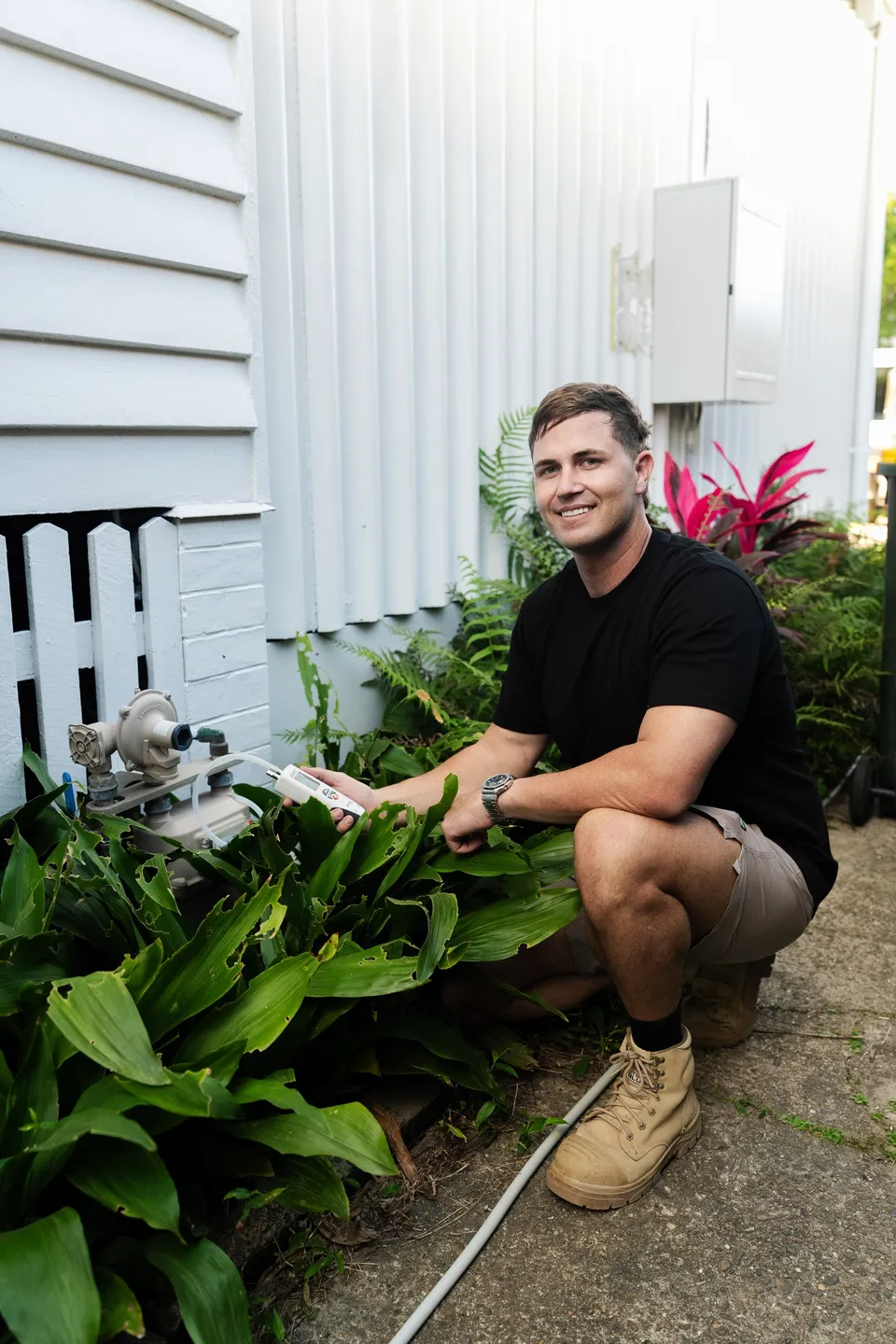
In a house on stumps, the pipes for water, waste and gas mostly travel through the clear space between the floor and the ground. You can see a fair share of that pipework from below. A slab house is the opposite: its pipes sit buried in the slab or behind wall linings, so a fault means opening something up.
An under-floor check turns up trouble without pulling anything apart. The signs that show with the naked eye include:
- soil along a pipe run that stays wet or soft
- drips at joints, or rust marks on pipe and fittings
- bearers and joists that look damp or stained
- a musty smell under the floor that never clears
Damp subfloor timber deserves quick attention, because a slow leak does its quiet worst down there. Our leak detection page shows how we trace one to its source.
Galvanised Pipes and the Signs They Are Failing
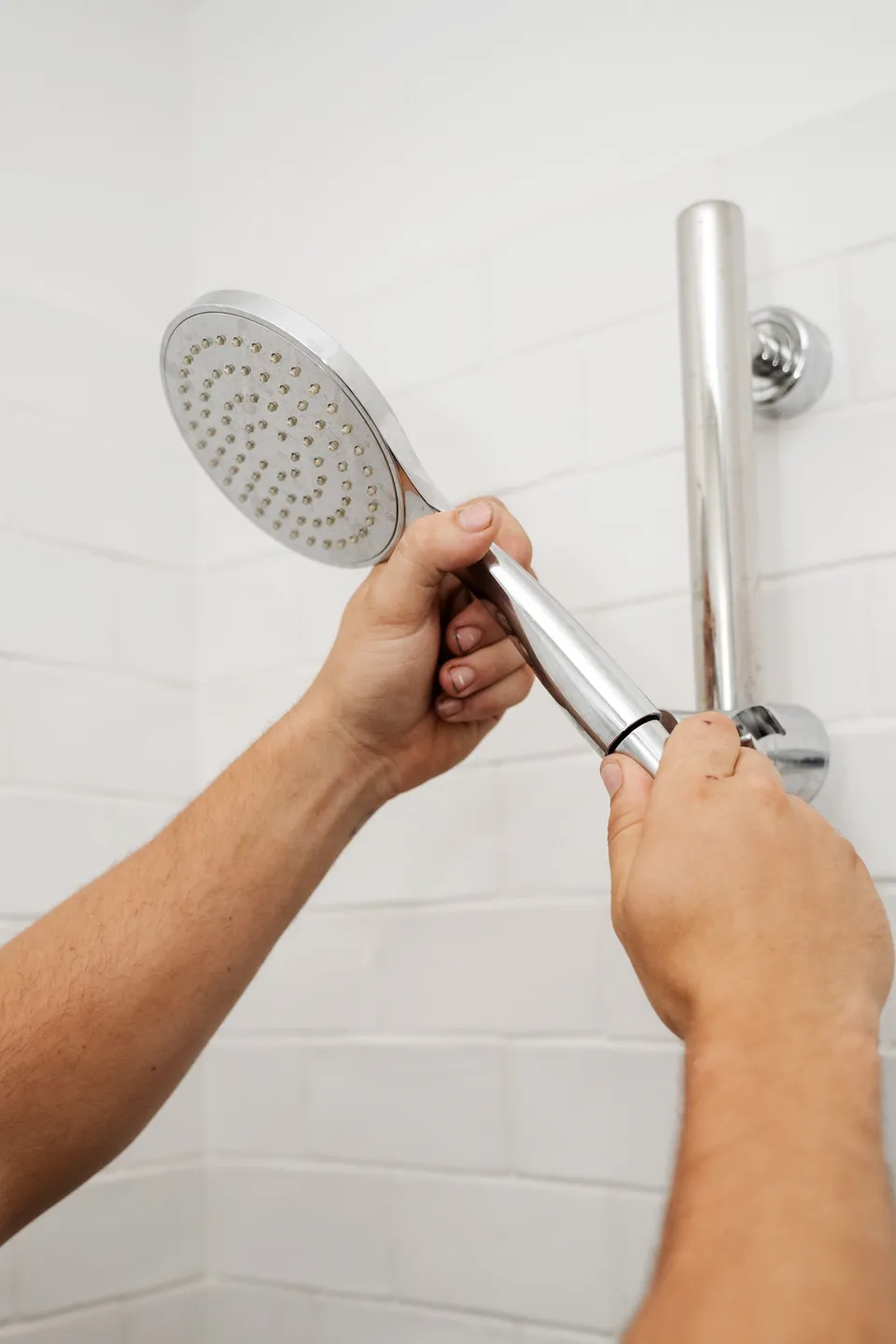
Galvanised pipe is zinc-coated steel, and once the coating wears away the steel corrodes from within. The tell-tale signs are discoloured water, taps that run thin at the far end of the house, and leaks that reappear on one stretch of pipe no matter how often they are patched.
Gaythorne's cottages from the 1910s and 1920s estates were plumbed before copper became the norm, and an unrenovated one can still feed the house through galvanised steel. Scale builds on the inside and robs the shower of flow before anything drips.
The joints carry a second age marker: lead-based solder was ordinary practice in Australia before 1989. We confirm what your pipes are made of, and the state they are in, on site. Nobody can tell you over the phone.
When a failing run needs replacing, our repiping old pipes page covers the job, the paperwork and what drives the price.
When Old Gas Pipework Needs a Gasfitter
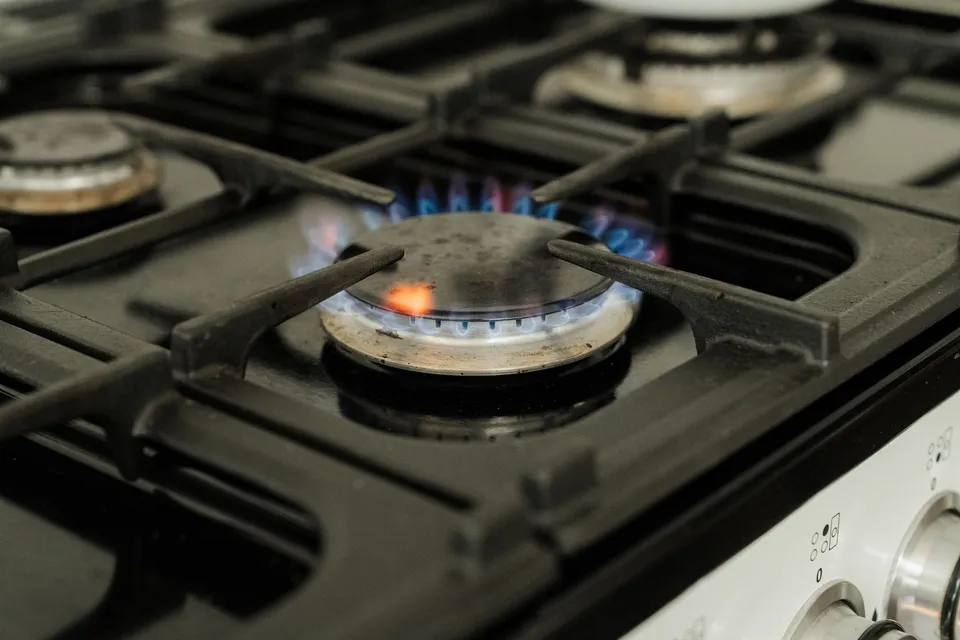
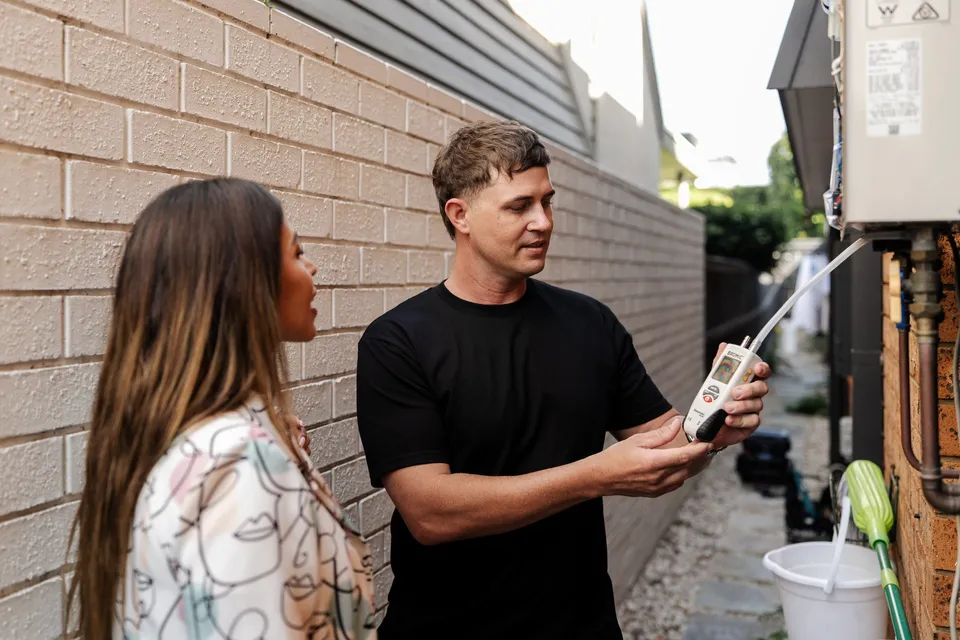
Queensland reserves every gas task, installing, changing, fixing, servicing or testing, for licensed gasfitters, so old gas fittings are never a handyman job. The Queensland Government also advises owners to look over gas systems often for corrosion, wear or damage, and to store nothing that burns near an appliance.
Queensland law further requires a gas worker to hand you a defect notice when a safety concern comes up and is not repaired during that visit. The notice tells you what is wrong and what it means for the installation.
If you smell gas: switch the appliance off, air the room through doors and windows, and keep hands off every electrical switch. If the smell persists, close the supply at the meter or the bottle, and ring your gas supplier or a gasfitter. Call 000 if it continues.
Finished gas work comes with certificates; our gas compliance certificates page explains them.

Which Renovations Count as Notifiable Work
Nearly every renovation plumbing job in an older house is notifiable work. The plumber does the job without a council permit, then registers a Form 4 with the QBCC within ten business days and hands you a copy. Under the Regulation, a house counts as existing once it has both a water connection and drainage in place, which is nearly every older home in the suburb.
A few triggers change the category or add a step:
Shared drains
If the house shares one drain with neighbours, or two water supplies feed it, adding a fixture becomes permit work: the plumber applies to the local government before starting.
Temperature control
Each new or replacement water heater goes in with a temperature control device, keeping tap water at or below 50°C, and installing one is notifiable work. Adding a shower or another hygiene fixture triggers the device too; swapping washers or shower heads does not.
Asbestos
Most homes built before 1990 have some asbestos in them, so a renovation needs extra precautions and can cost more than planned.
Old permits
A permit stays with the property and binds whoever owns or occupies the place afterwards, not just the person who applied.
You can search your address in the QBCC's online records of notifiable work and request the Form 4 for past jobs, including one you believe you should have received and never did.
What the Older Streets Here Throw Up
The original drains are the quiet troublemakers in this suburb. Where they survive around the older streets, they are glazed clay laid in short lengths, and a cracked section drops its bedding and lets silt in long before the line fails outright. A slow drain can therefore be a broken joint rather than a blockage.
Renovation calls also come from the cottages in the Gallipoli Barracks shadow, where owners modernise in stages rather than all at once. Queensland law puts a duty on every owner: do everything reasonable to keep the plumbing and drainage at your premises in good condition and working properly.
How We Work on an Older Home
- 1

Describe the problem
Phone (07) 3523 7172 or fill in the form with what you're seeing in Gaythorne. The more we know, the better we can prepare.
- 2

Inspect for the era
We get under the floor where the house allows and identify the pipe and drain materials. We check visible gas fittings and note what past alterations left behind.
- 3
Agree on the price
A fixed quote comes before any work starts: flat-rate pricing, no hidden fees, and your go-ahead first.
- 4

Pay on completion
Card or EFTPOS on site when everything's working, or ask us about Fix now, pay later.
Plumbing job in Gaythorne?
$0 call-out fees, available 24/7, and same-day where we can.
Older Home Questions From Gaythorne
Call (07) 3523 7172What is different about plumbing in an older Gaythorne home?
Generations of repairs and alterations sit on top of the original materials, so what the pipework is made of matters more than its age. Estate-era cottages here can carry a galvanised supply line and clay drains, and a renovation brings its own rules.
Where do the pipes run in a timber home on stumps?
Under a stumped house, the water, waste and gas lines mostly sit in the open subfloor, visible from below. A slab home buries them in the slab or within the walls, so a fault means opening something up.
Are there galvanised water pipes in Gaythorne homes?
Yes, some unrenovated pre-1947 cottages in the older pockets still run galvanised steel supply pipe. We confirm the pipe material and its condition on site, because no two houses were altered the same way.
Was lead used in old plumbing?
Yes. Lead solder on copper-to-brass joints was common in Australia until 1989, so the age of the pipework matters in an older home.
Is old gas pipework in a Gaythorne home safe?
Yes, when a licensed gasfitter has checked it. The Queensland Government advises checking gas systems often for corrosion or damage. If you smell gas, switch the appliance off, open doors and windows and leave switches alone; shut the gas supply at the meter or cylinder if the smell stays, and ring 000 if it persists.

Book Your Older Home Plumber TodayWe'll call you back.
Book on (07) 3523 7172 for plumbing anywhere in Gaythorne. We're available 24/7, there's no extra charge for nights, weekends or public holidays, and every job comes with $0 call-out fees.
To claim your $0 call-out fee, call (07) 3523 7172 today.